PCOS and IVF in India Your Complete Guide to Success
PCOS can make pregnancy feel confusing. Some months periods are late. Some months ovulation does not happen. Many women are told to lose weight, take medicines or simply wait, but the waiting can become emotionally tiring when every cycle brings new hope and new stress. The good news is that PCOS does not mean pregnancy is impossible. With the right diagnosis and a carefully planned fertility treatment, many women with PCOS are able to conceive.
For couples exploring PCOS and IVF in India, the most useful first step is understanding what PCOS is doing inside the body and why IVF may help in selected cases. IVF is not always the first treatment for PCOS, but it can become a strong option when ovulation medicines, lifestyle changes or IUI have not worked, or when another fertility factor is also present.
What PCOS Means for Fertility
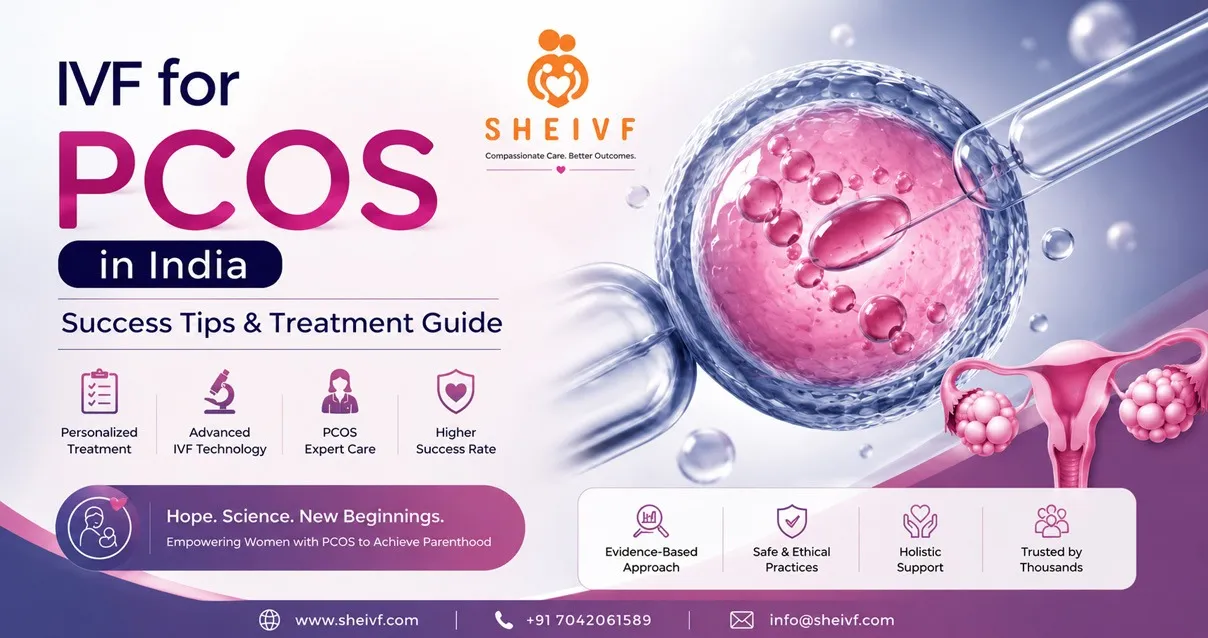
PCOS, or Polycystic Ovary Syndrome, is a hormonal condition that can affect ovulation. In a regular menstrual cycle, the ovary usually releases one mature egg. In PCOS, hormonal imbalance may stop the egg from maturing or being released on time. This is why many women with PCOS have irregular periods or unpredictable fertile days.
Common signs that may point toward PCOS include:
· Irregular or missed periods
· Difficulty tracking ovulation
· Acne or oily skin linked with hormonal changes
· Unwanted facial or body hair growth
· Weight gain or difficulty losing weight
· Multiple small follicles seen on ultrasound
Not every woman with PCOS has the same symptoms. Some women have regular periods but still face ovulation issues. Others may have insulin resistance, thyroid imbalance, high androgen levels or other health factors that affect egg quality and implantation. This is why self guessing rarely helps. A fertility evaluation gives a clearer picture.
Can Women With PCOS Get Pregnant Naturally
Yes, many women with PCOS can get pregnant naturally, especially when ovulation happens from time to time and there are no other fertility problems. Lifestyle changes, weight management where needed, ovulation tracking and medicines prescribed by a doctor may improve the chance of natural conception.
A fertility doctor may suggest basic treatment first if the woman is younger, tubes are open, sperm report is normal and the couple has not been trying for very long. However, IVF may be discussed earlier when pregnancy has not happened despite treatment or when time is a key factor.
When IVF May Be Recommended for PCOS Patients
IVF for PCOS is usually considered after a proper medical assessment. It may be suggested in situations such as:
· Ovulation medicines have not resulted in pregnancy
· IUI cycles have failed despite good follicle development
· The woman is above 35 and time is important
· Fallopian tubes are blocked or damaged
· Male factor infertility is also present
· There is a history of repeated pregnancy loss or failed treatments
· The couple wants a more closely monitored treatment plan
The benefit of IVF is that the doctor can monitor egg growth, retrieve eggs directly from the ovaries, fertilise them in a lab and transfer a suitable embryo into the uterus. This bypasses the main PCOS problem of irregular ovulation.
How IVF Treatment Works for PCOS in India
The IVF process for PCOS patients is similar to standard IVF, but the stimulation plan often needs extra care. Women with PCOS may respond strongly to fertility medicines, so doctors usually monitor them closely to avoid over response.
A typical IVF journey may include:
· Fertility consultation and medical history review
· Hormone tests such as AMH and other relevant blood tests
· Ultrasound to check ovaries and uterus
· Semen analysis for the male partner
· Controlled ovarian stimulation with carefully selected medicines
· Regular monitoring through scans and blood tests
· Egg retrieval when follicles are ready
· Fertilisation through IVF or ICSI depending on sperm and egg factors
· Embryo culture and selection
· Embryo transfer or frozen embryo transfer if advised
In PCOS cases, doctors may sometimes advise freezing embryos and transferring them in a later cycle. This can be helpful when hormone levels are high or the ovaries have responded more strongly than expected. The final plan depends on individual reports and medical judgement.
Why PCOS Patients Need a Personalised IVF Plan
PCOS is not a one type condition. Two women may both have PCOS, but their treatment needs can be completely different. One may have high AMH and a strong ovarian response. Another may have insulin resistance and poor egg maturity. Someone else may have PCOS along with endometriosis, thyroid issues or male factor infertility.
A personalised IVF plan may focus on:
· Choosing the right medicine dose for ovarian stimulation
· Reducing the risk of Ovarian Hyperstimulation Syndrome also called OHSS
· Improving egg maturity and embryo development
· Managing insulin resistance where present
· Planning fresh or frozen embryo transfer based on safety and uterine readiness
· Avoiding unnecessary add ons unless medically needed
This is where choosing a verified fertility specialist matters. A good IVF plan for PCOS should be safe, practical and based on test results, not on a fixed package or standard protocol.
PCOS and IVF Success Factors That Matter Most
Searches for PCOS IVF success rate are very common, but success cannot be promised through a single number. IVF outcome depends on several personal and clinical factors. Some women with PCOS respond well because they may have a higher ovarian reserve, but egg quality, embryo quality and uterine health still matter.
The main factors that influence IVF success with PCOS include:
· Age of the woman especially egg quality after the mid thirties
· Body weight and metabolic health
· Insulin resistance and blood sugar control
· AMH level and ovarian response
· Sperm quality and need for ICSI
· Embryology lab quality and embryo culture standards
· Uterine lining and overall reproductive health
· Doctor experience in managing PCOS stimulation safely
Instead of looking only at success rate claims, couples should ask how the clinic monitors PCOS cycles, how it reduces OHSS risk and how it decides between fresh and frozen embryo transfer.
How to Prepare for IVF When You Have PCOS
Small changes before treatment can make the IVF journey smoother. These steps do not replace medical care, but they may support better hormonal balance and overall fertility health.
· Track your menstrual cycle and symptoms for at least two to three months if possible
· Get a proper fertility workup for both partners, not only the female partner
· Ask your doctor about insulin resistance, thyroid and vitamin levels if relevant
· Follow a balanced diet with enough protein, fibre and whole foods
· Keep physical activity regular and realistic
· Avoid smoking and limit alcohol if applicable
· Sleep well because poor sleep can affect hormones and stress levels
· Take only doctor recommended supplements or medicines
Many couples delay consultation because they think IVF is the only answer. In reality, a consultation can also help confirm whether IVF is needed now or whether simpler treatment can be tried first.
Questions to Ask Before Starting IVF for PCOS
Before starting treatment, it helps to go prepared. Ask questions that give you clarity, not just hope.
· What is the main reason IVF is being suggested in my case
· Do I have insulin resistance or any hormone issue that should be treated first
· What stimulation protocol is suitable for my PCOS profile
· How will the clinic reduce the risk of OHSS
· Will I need IVF or ICSI and why
· Is fresh embryo transfer suitable or should frozen transfer be considered
· How many embryos should be transferred safely
· What follow up will be needed after embryo transfer
Clear answers help couples feel more confident and avoid confusion during treatment.
How SheIVF Helps Couples Make Better Fertility Decisions
Finding the right fertility doctor can be difficult when every clinic sounds similar. SheIVF helps patients compare verified fertility doctors and IVF clinics across India so they can make a more informed choice. The platform is useful for couples who want to understand consultation options, doctor experience, treatment availability and clinic details before booking an appointment.
For PCOS related infertility, this kind of comparison can save time because the right specialist should understand hormonal imbalance, ovulation problems, ovarian stimulation and safe IVF planning. SheIVF does not replace medical advice. It helps you reach the right fertility expert for your case.
A Better Way Forward With PCOS and IVF
PCOS can delay pregnancy, but it does not close the door to parenthood. The key is timely evaluation, honest counselling and a treatment plan that fits your health profile. Whether you need lifestyle support, ovulation treatment, IUI or IVF, the decision should come from proper testing and specialist guidance.
If you have irregular periods, diagnosed PCOS or repeated difficulty conceiving, speaking to a fertility specialist can give you the clarity you need. With the right medical support and a carefully planned approach, PCOS and IVF in India can become a hopeful and well guided path toward pregnancy.
Suggested SEO Keywords Used Naturally
· PCOS and IVF in India
· IVF for PCOS
· PCOS IVF success rate
· PCOS fertility treatment
· IVF treatment for PCOS in India
· fertility specialist for PCOS
· PCOS pregnancy treatment
· ovulation problems in PCOS
Publishing Note
This content intentionally avoids fixed treatment price details because IVF related costs can change based on city, doctor, clinic facilities, medicines, tests and individual medical needs.